

- July 16, 2021
- Posted by: medium
- Category: National
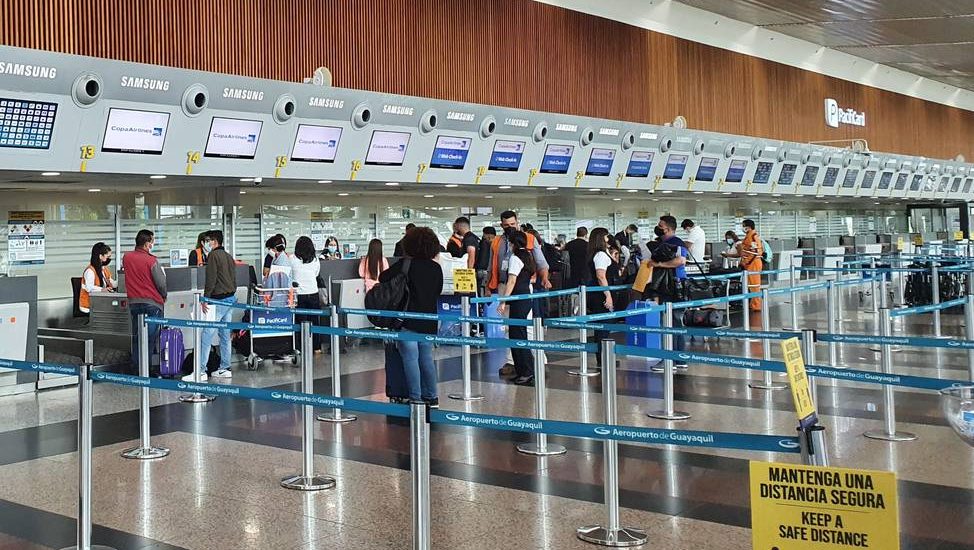
Representante de organismo llegó a Quito y mostró cifras del impacto
Unos $ 2.300 millones representan las pérdidas que ha tenido la industria aérea en Ecuador durante la pandemia del COVID-19.
La cifra ha sido revelada este miércoles por Peter Cerdá, vicepresidente regional de IATA para las Américas, gremio que reúne a las principales aerolíneas del mundo y que llegó a la capital para reunirse con autoridades.
Según el organismo, el impacto de la pandemia también ha sido sobre 160.000 empleos directos que manejaba la industria, lo que supone una caída frente a los 231.000 trabajos directos que generaba antes de la crisis.
Aunque la IATA reconoce que Ecuador va por un buen camino a la recuperación, los niveles de tráfico y frecuencias están distantes a lo que se tenía en el 2019.
De junio del 2020 a junio de este año se han recuperado 12 rutas y cerca de 2.100 vuelos, que equivale al 44 % de las rutas que se tenían en junio del 2019.
“Eso no quiere decir que hemos salido de la tormenta”, dice Cerdá, quien agrega que antes de la pandemia Ecuador venía creciendo en conectividad.
Para el personero de la IATA se necesita trabajar de manera coordinada para caminar a la reactivación del sector y evitar lo que sucede en otros mercados cuyas fronteras aéreas están restringidas para vuelos.
In addition, it recommends adopting measures such as the elimination of taxes to boost the reactivation of travel.
/cloudfront-us-east-1.images.arcpublishing.com/eluniverso/LH732I4MGFDTPCLSY76BJCV57Y.jpg)
The official proposes to the Government the elimination of the eco delta tax that is charged on air tickets and the tax on foreign exchange outflows (ISD), which companies pay.
For Cerdá, eliminating the $50 eco delta rate could improve rates and stimulate travel demand. Only by applying this measure, according to their estimates, 13,000 jobs and an additional $190 million in contribution to GDP could be generated.
The regional vice president of IATA considers that the ISD, which is paid not only by companies, but also by individuals, should also be eliminated as another alternative to push the reactivation and point towards the open skies with the United States.
“The elimination (of the ISD) will positively reduce a large part of the costs and what we have calculated would generate 31,350 new jobs and nearly $440 million in contribution to GDP,” says Cerdá.
For IATA, if Ecuador does not restrict flights and maintains operations as now, it could obtain a positive recovery between 2022 and 2025.
“Ecuador has a great possibility of further developing its connectivity,” says Cerdá, who adds that they are open to creating a joint agenda with the Government.